Calcium Foods for Dairy Free Babies and Toddlers

Dairy-Free Diets - High calcium alternatives.
When your little one can’t have cow’s milk protein as part of their diet, it can feel overwhelming trying to navigate offering a balance of nutrients — especially when you hear how important calcium is for strong bones, teeth, and overall growth. In this resource we explore alternatives for high calcium foods that are great for including in a dairy free diet.
👉 What nutrients can be tricky on a dairy-free diet?
The big one is calcium. Dairy is one of the richest sources in the average diet, so when it’s off the table, you’ll want to make sure your little one is getting enough from other foods.
Depending on bub’s age staying on your little one's prescribed formula, fortified non-dairy milks and calcium-rich alternatives may be recommended by your health professional. Vitamin D and protein can also need a closer look, since they work hand-in-hand with calcium to keep bones strong.
🥦 Top Dairy-Free Calcium Foods for Babies & Toddlers
Here are some everyday, baby-friendly options that can help support calcium intake:
-
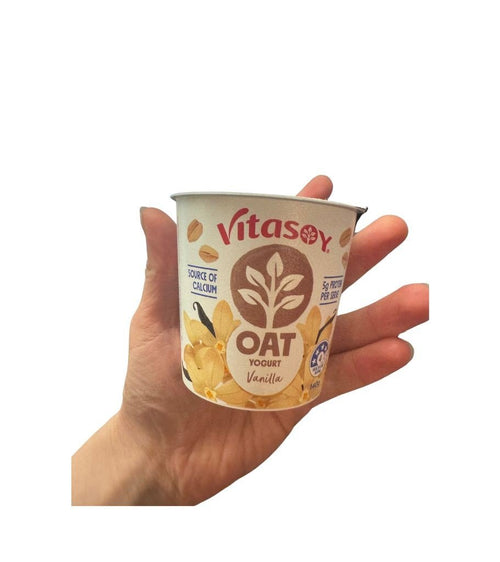
Calcium-fortified non-dairy milks (like oat, soy, or almond milk) can be used in meals – always check they’re fortified with calcium.
-
Tofu (calcium-set) – soft, mashable, and super versatile for little eaters.
-
Tahini (sesame paste) – perfect in dips, spreads, or stirred through porridge.
-
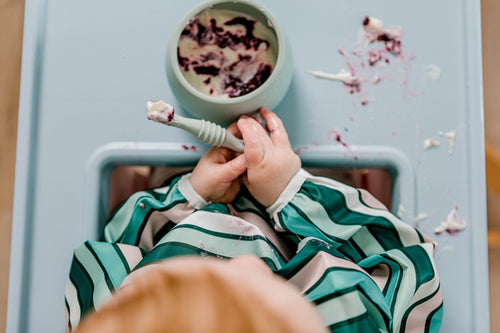
Chia seeds – soak into a pudding or stir into yoghurt alternatives.
-
Canned salmon or sardines (with bones mashed in) – yes, the tiny edible bones are where the calcium is!
-
Leafy greens like kale, bok choy, and broccoli – chop finely or steam until soft and puree for safe textures.
-
Beans and lentils – especially white beans and chickpeas, which can be pureed or added to patties.
-
Fortified breads or cereals – check the labels, as some include added calcium.
💡 Quick Tips
-
Aim for a variety of calcium-rich foods spread across the week.
-
Combine calcium sources with foods rich in vitamin D (like safe sun exposure, salmon, or fortified foods) to help absorption.
-
Always work with your paediatrician, GP or dietitian to check if extra supplementation is needed, especially if your child is avoiding multiple food groups.
✨ At Starting Solids Australia, we’re all about making feeding simpler, evidence-based, and stress-free—even when there are dietary restrictions involved. With the right swaps and a little planning, your dairy-free bub can still get everything they need to grow happy and healthy. We highly recommend working one on one with a paediatric dietitian if your little one requires a restricted diet for allergy reasons. This is the best way to ensure an adequate diet.
🔒 This is Starting Solids Library content
Unlock every recipe, resource, review & ebook — plus the Crash Course, live monthly workshops, and our members forum.
$25/month unlocks $125+ in value
Unlock Premium AccessAlready a member? Log in