Teething and Eating: What To Offer When Gums Are Sore

Written by: Jeanette Blandford | Published on September 30, 2026

Teething putting your baby off food? Here are cool, soft food ideas by age, what helps sore gums, what to skip, and how to tell teething from a bug that needs a GP.

Teething can have a way of turning enthusiastic little eaters into ones who will push the food away and only want a book, bottle or dummy. It's really frustrating and can be concerning for us as parents, but it usually passes in a few days.

Here's what to offer when gums are sore, what to skip, and how to tell teething from something else.

Quick answer

Most babies get their first tooth between 6 and 10 months. Sore gums can put them off food for a few days, which is okay. Offer cool, soft foods like chilled yoghurt, stewed fruit and smooth mashes, give them something cold (not frozen) to gnaw on, and keep milk feeds going. Teething can cause a temperature up to 38°C, but anything higher or symptoms causing bub distress should be looked at further.


What to offer when gums are sore

6–9 months

Chilled yoghurt, smooth mashes straight from the fridge, stewed apple or pear, mashed avocado or banana. Frozen fruit in our silicone foodie teethers. A cold teething ring or wet washcloth to chew.

9–12 months

Cold soft finger foods: steamed veggie sticks from the fridge, soft pasta, omelette strips, ripe pear. Chilled porridge fingers. Keep lumpier textures going, just softer for a few days.

12 months+

Cold yoghurt or smoothie in an open cup, chilled fruit, soft sandwiches, pasta. Offer water often. If they only want mushy food for a couple of days, that's fine.

Teething: what helps and what to skip

Try Skip
Rubbing gums gently with a clean finger Amber or other teething necklaces and bracelets (choking and strangulation risk)
A teething ring that's cold, but not frozen Teething gels, unless your doctor recommends them
Something firm to gnaw on, like a sugar-free rusk (with you watching) Honey on gums or dummies (never under 12 months)
Mushier, cooler foods that need less chewing Aspirin, and teething tablets unless your doctor recommends them
Paracetamol if your baby is really miserable, following the dose on the pack Sweet biscuits and rusks with added sugar

Dietitian tip

Pop chunks of watermelon, mango or ripe pear in the freezer, then load one into a Foodie Teether feeder. Your baby gets cold relief on sore gums, a taste of fruit, and you get five minutes to drink your coffee while it's still warm.
 

Make solids easier - Shop GAME CHANGING products

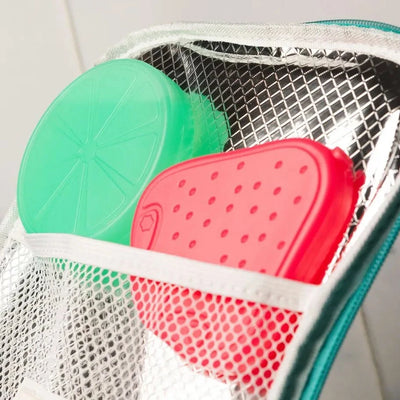
Snack Pack Essentials - Starting Solids

Freezie Fruits

$12.95
Shop Now
Foodie Teether – Silicone Baby Feeder - Starting Solids

Foodie Teether – Silicone Baby Feeder

$29.95
Shop Now

When does teething start?

For most babies, teeth start to appear between 6 and 10 months, though some get one as early as 3 months and others not until 12 months. The front teeth usually come first, then the side front teeth, first molars and canines. Every baby is different, and the timing doesn't say anything about how well they'll eat.

Signs of teething

  • Lots of drool, and chewing on anything they can reach
  • Sucking on hands and fingers, or rubbing their gums together
  • A rash on the chin or cheeks from drool
  • Being more irritable, sleeping worse, and eating less
  • A slightly raised temperature

RCH notes teething can cause a temperature up to 38°C. A temperature above 38°C isn't from teething and is more likely an infection. Teething also shouldn't cause diarrhoea. Since teething happens at the same age babies catch plenty of bugs, it's easy to blame the teeth for something else. If your baby seems unwell, see your GP.

Why teething can put babies off food

Sore, swollen gums make chewing and even sucking uncomfortable. Some babies want to feed more for comfort, others go off the bottle or breast for a day or two. Under 12 months, breastmilk or formula is still doing a lot of the heavy lifting, so a few lighter days of solids is okay.

Mushier foods that need less chewing or something firm to gnaw on may help reduce distress. Cold helps too. Sydney Children's Hospitals Network suggests chilled, wet washcloths, and for babies over 6 months, hard rusks or frozen fruit slices.

Keep textures moving

It's tempting to go back to smooth purees for weeks. A couple of softer days is fine, but bring lumps and finger foods back once they're comfortable, so your baby keeps practising chewing. See our resource Guiding Texture Progression For Babies for more info.

Resistive food teethers and feeders are useful here. Babies get to gnaw and taste food while their gums are sore. We've written more about them in Resistive Food Teethers: Why We Love Them.

Choking safety

Anything hard enough to gnaw on can break into pieces. Hard rusks can soften and break off, and frozen fruit chunks are hard and slippery. Always sit with your baby and supervise while they eat, and use a mesh or silicone feeder for frozen fruit.

Look after the new teeth

  • Before teeth come through, wipe the gums with a clean, damp cloth after feeds.
  • Once teeth appear, brush twice a day with a soft baby toothbrush. Use water only (no toothpaste) under 18 months.
  • Book a first dental visit when the first tooth comes through or by age one, whichever comes first.
  • Choose rusks and snacks without added sugar.

What this means at mealtimes

  • Offer cool, soft foods straight from the fridge.
  • Keep offering milk feeds as usual.
  • Offer something cold to chew before meals, so gums are a bit numb.
  • Don't worry about a few days of eating less.
  • Bring back lumps and finger foods as soon as they're comfortable.
  • See your GP if there's a fever above 38°C, diarrhoea, or your baby seems unwell.

Frequently asked questions

Can teething cause a fever?

Teething can cause a slightly raised temperature, up to 38°C. A temperature above 38°C isn't caused by teething and is more likely an infection, so check in with your GP if your baby seems unwell.

Does teething cause diarrhoea?

No. Teething shouldn't cause a high fever or diarrhoea. If your baby has either, see your GP, as something else is probably going on.

Is it okay if my teething baby eats less?

Yes, for a few days. Sore gums can put babies off solids, and some want more milk for comfort. Offer softer, cool foods and keep milk feeds going. See your GP if they stop drinking or seem unwell.

Are teething gels or amber necklaces safe?

Teething gels aren't usually recommended, as they probably don't help and can have harmful side effects. Amber and other teething necklaces are a choking and strangulation risk. Skip both.

Can I freeze fruit for my teething baby?

Yes. Frozen fruit in a mesh or silicone feeder gives cold relief without the risk of big chunks breaking off. Teething rings should be cold but not frozen.

References

  1. Raising Children Network. Baby teeth development, dental health and dental care. https://raisingchildren.net.au/babies/health-daily-care/dental-care/dental-care-babies
  2. Sydney Children's Hospitals Network. Dental hygiene (babies). https://www.schn.health.nsw.gov.au/kids-health-hub/growth-and-development/babies/dental-hygiene
  3. The Royal Children's Hospital Melbourne, Kids Health Info. Fever in children. https://www.rch.org.au/kidsinfo/fact_sheets/Fever_in_children/
  4. ACCC Product Safety Australia. Teething necklace safety: avoid strangulation or choking. https://www.productsafety.gov.au/about-us/product-safety-news/news/teething-necklace-safety-%E2%80%93-avoid-strangulation-or-choking
Freezie Trays - Starting Solids

Freezie Trays

$19.95
See Product