Pre-Packaged Foods

Commercially prepared food pouches, jars and other products are no doubt convenient, and for many they are an easy solution when you're out and about and need an option that works for your infant, or when you're at home and you're tapped out and don't want to be bothered with cooking, cutlery and clean up.
Whilst they are convenient, there are things to consider when looking at when, how much and how often you include pouches into your child's diet. It's important to first mention that we are talking specifically about the baby food options that you find in the aisles of your supermarket, or other retailer. There are other baby food options now that can be found in the freezer section too, which are slightly different.
The market for food pouches is a large one, and recently a few studies have looked to understand how pouches stack up when it comes to providing the nutrients that your infant needs, as well as how well they support your child in developing their other feeding skills including progression through different textures, appreciating, and recognising different tastes, textures and ingredients.
The types of pouches available generally include some combination of fruits, vegetables, grains, legumes, dairy and/or meat. A 2020 study found that across the commercial food products that they reviewed (400+), a large majority of these were low in iron and vitamin B12. After 6 months infants need a large amount of iron (11mg/day) because their stores start to run low from what they had stored during their last trimester. When starting out with solids, the amount of food infant eats is small, so we want to try and maximise the amount of iron that an infant gets in each bite.
Our recommendation, which is reflected in the guidelines around introducing foods to infants, is that animal protein and iron fortified foods be included in your infant's diet when you start introducing solids because they are great sources of Iron. The body is much better at absorbing iron from animal sources (heme iron), interestingly though, when it comes to pouches that contain meat products, the actual amount that that meat contributed may only be around 10%. Other nutrients that aren't likely well represented include Zinc, iodine and long chain fatty acids that are extremely important in supporting the growth and development of children.

If you've spent a bit of time scouring the baby food aisle (or not - don't worry, we have) you may have noticed that many of the options are fruit based where fruit is the only ingredient, or where fruit is major ingredient, fruit may also sneak into a lot of other pouches because they help mask the bitterness and variable flavours from other foods, which encourages infants to enjoy them more. Fruit is a wonderful source of nutrition for your LO, however it's worth noting that for a 7-12-month-old, the recommended amount per day is less than 1/2 serve (75g). The amount of fruit and the concentrated form that can sometimes be present contributes a large amount of sugar to your infant's diet. Whilst bitter flavours from certain vegetables may take your infant longer to accept, repeated exposure to these flavours early has been found to influence later dietary variety and food acceptance. As we mentioned before, the bellies of infants are relatively small, and we are wanting to fit in a lot of different foods and nutrients, whilst fruit is a fantastic source of many things, we need to make sure they don't take priority over including other food types.
A few last things to mention:
Starting solids is starting the process of teaching your child about food, taste, texture, and flavours. Pouches, whilst marketed to different age groups are really limited to a set range of textures because - how else would they escape the straw? Pouches as purees (soft through to lumpy) are only appropriate for the early stages of introducing solids, and not progressing through different textures as soon as possible can cause issues with food acceptance later down the track. The obvious feature of pouches is the straw, whilst it absolutely does have the appeal of less mess and clean up, infants are pros at sucking, and prior to introducing solids you were likely heavily involved in identifying their signs of fullness either when breastfeeding or when drinking formula. Sucking food through a straw doesn't necessarily support your LO in how to recognise their hunger and satiety cues, and they may eat a lot more than they actually need. It's also not supportive of them understanding and experiencing different tastes, textures and food types.
Consider these things when using food pouches into your LO's diet:
- Use pouches as a back-up or when heading out with limited capacity to take food with you. Filling your LO's diet with other whole foods (of the appropriate texture).
- Read the ingredients list - the name of the product doesn't necessarily represent how much of the pouch is made up of that food.
- Look for pouches that include iron fortified foods.
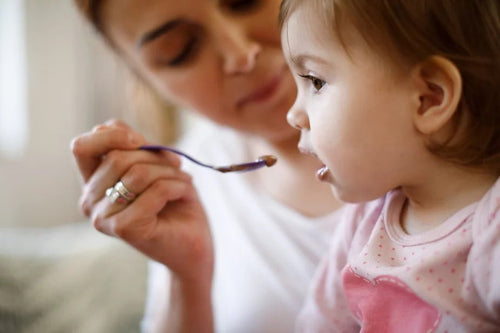
- Serve the contents of the pouch onto a spoon to feed your LO and respond when they show signs of fullness. (By doing this you can keep the remainder of the pouch in the fridge with the cap on for 24 hours).
- Once your infant has moved away from purees, limit pouches, and consider convenient food options such as pieces of toast, soft fruits, cheese etc. that can be bought from the supermarket too.
🔒 This is Starting Solids Library content
Unlock every recipe, resource, review & ebook — plus the Crash Course, live monthly workshops, and our members forum.
$25/month unlocks $125+ in value
Unlock Premium AccessAlready a member? Log in