Egg Substitutes for Babies: 10 Easy Allergen-Friendly Swaps
Egg allergy? Vegan family? Or just out of eggs? Here are 10 dietitian-approved egg substitutes you can use in baby and toddler recipes — with simple swaps, quantities, and which one works best for muffins, pancakes, fritters and more.

If your little one is egg-free, you have probably stared at a recipe wondering what on earth to do when half of it calls for eggs. Eggs are everywhere in baby food — pancakes, muffins, fritters, French toast, banana bread. They bind, lift and add protein, so swapping them out can feel daunting.
The good news? You almost never need to throw out a recipe just because eggs are off the menu. Most of these swaps use ingredients you already have in your pantry or fridge, and many of them are great everyday foods for babies and toddlers too.
Here are 10 simple egg substitutes our dietitians use with families every day, with the exact ratios, the recipes they work best in, and the allergen notes you need to know.
Why might you need an egg substitute?
There are a few reasons a family might be looking for egg alternatives:
- Egg allergy. Egg is one of the most common food allergies in Australian babies, affecting around 9% of infants in the first year. The good news is most children outgrow it by school age.
- Egg-free or plant-based household. Some families avoid eggs by choice.
- You have just run out. The most relatable reason of all.
If you suspect an allergy, always speak to your GP or an allergist before removing eggs from your baby's diet. For everything else, this guide has you covered.
How eggs actually work in baby recipes
Knowing the job an egg is doing in your recipe makes picking the right swap much easier:
- Binding — holds patties, fritters and meatballs together.
- Leavening — helps cakes, muffins and pancakes rise.
- Moisture — keeps quick breads and muffins soft.
- Structure — gives baked goods their final texture.

Some substitutes are brilliant binders but poor at leavening, and vice versa. Use the quick reference chart further down to pick the right one for your recipe.
The 10 best egg substitutes for babies and toddlers
1. Flax egg — the best all-rounder
Use: 1 tbsp ground flaxseed + 3 tbsp water, rested for 15 minutes.
Replaces: 1 egg.
Best for: Pancakes, muffins, banana bread, fritters, meatballs — sweet or savoury.
Why we love it: Mild flavour, adds extra omega-3s and fibre, and works in almost any baby recipe. A great pantry staple to keep on hand for egg-free baking.
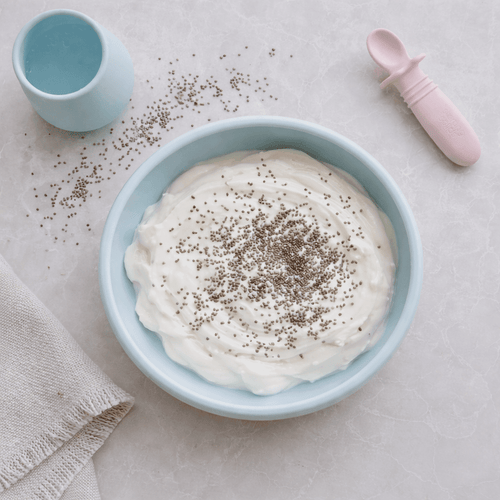
2. Chia egg
Use: 1 tbsp ground chia seeds + 3 tbsp water, rested for 10–15 minutes.
Replaces: 1 egg.
Best for: Quick breads, muffins, pancakes, cookies.
Tip: Use ground chia for the smoothest texture — whole chia leaves a slightly bitty finish. Want the lowdown on chia for bub? Read our chia seeds for babies guide.
3. Mashed banana
Use: ½ a ripe mashed banana.
Replaces: 1 egg.
Best for: Sweet bakes — muffins, pancakes, banana bread, baby cake.
Heads up: Banana brings real flavour, so save it for recipes where banana works (it always does, honestly).
4. Apple puree
Use: ¼ cup unsweetened apple puree.
Replaces: 1 egg.
Best for: Muffins, quick breads, slices, soft cookies.
Make your own: Microwave diced apple with a splash of water for a few minutes, drain and mash. Easy.
5. Aquafaba (chickpea brine)
Use: 3 tbsp of the liquid drained from a can of chickpeas or legumes.
Replaces: 1 egg.
Best for: Pancakes, waffles, lighter cakes — and yes, even meringue if you are feeling fancy.
Tip: Choose no-added-salt canned chickpeas where possible for little ones.
6. Sweet potato or pumpkin puree
Use: ¼ cup of mashed cooked sweet potato or pumpkin.
Replaces: 1 egg.
Best for: Savoury fritters, patties, meatballs, savoury muffins, breakfast slice.
Bonus: Sneaks extra veggies into the meal — always a win.
7. Baking soda + vinegar
Use: 1 tsp baking soda + 1 tbsp vinegar (white or apple cider), stirred in at the end.
Replaces: 1 egg.
Best for: Cakes, cupcakes, anything that needs a good rise.
Tip: Add it last — the bubbles work fast.
8. Commercial egg replacer
Use: Follow the packet (usually 1 tsp powder + 2 tbsp water per egg).
Replaces: 1 egg.
Best for: Baking, especially cakes and cookies where you want a neutral flavour.
Look for: Macro Egg Replacer (Woolworths) — just potato and tapioca starch, so very allergen-friendly.
9. Greek or natural yogurt
Use: ¼ cup plain full-fat yogurt.
Replaces: 1 egg.
Best for: Muffins, cakes, pancakes — adds lovely moisture.
Allergen note: Yogurt is a dairy food, so only use this swap once dairy has been safely introduced. Need a hand picking a good one? See our guide to the best yogurt for babies.
10. Silken tofu
Use: ¼ cup blended silken tofu.
Replaces: 1 egg.
Best for: Savoury breads, muffins, frittata, scrambled "eggs", custards.
Allergen note: Tofu is a soy food, so only use once soy has been safely introduced as part of your allergen plan.
Quick reference: which egg substitute to use when
Bookmark this chart — it is the one you will actually come back to (and great for the fridge).

Common mistakes to avoid
- Swapping more than 2–3 eggs in one recipe. Egg-heavy recipes (like a sponge cake) rely on eggs for structure — start with recipes calling for 1–2 eggs.
- Forgetting the rest time. Flax and chia eggs need 10–15 minutes to gel properly.
- Using a sweet swap in a savoury recipe. Banana in fritters is not the vibe.
- Using yogurt or tofu before that allergen has been introduced. Always follow safe allergen introduction first.
- Expecting it to taste exactly the same. Some swaps shift the flavour or texture slightly — that is normal.
Need extra support with allergies?
Navigating allergies in the first year is hard. If your little one has a confirmed egg allergy, or you are still working out what is going on, our paediatric dietitians can build a plan with you that covers safe introduction of other allergens, balanced nutrition, and stress-free mealtimes.
And if you are still tracking which allergens you have introduced, our Solids Allergy Tracker takes the guesswork out — tick them off as you go and have peace of mind that nothing has been missed.
🔒 This is Starting Solids Library content
Unlock every recipe, resource, review & ebook — plus the Crash Course, live monthly workshops, and our members forum.
$25/month unlocks $125+ in value
Unlock Premium AccessAlready a member? Log in